Teachers Pay Teachers will ban AI-generated teaching resources. But “AI-free” isn’t a quality standard. School leaders need a review standard: every resource checked and owned by a professional.
Teachers are using AI faster than systems are building shared understanding. AI professional learning has to start with leaders, name decision owners and become an ongoing system, not a one-time session.
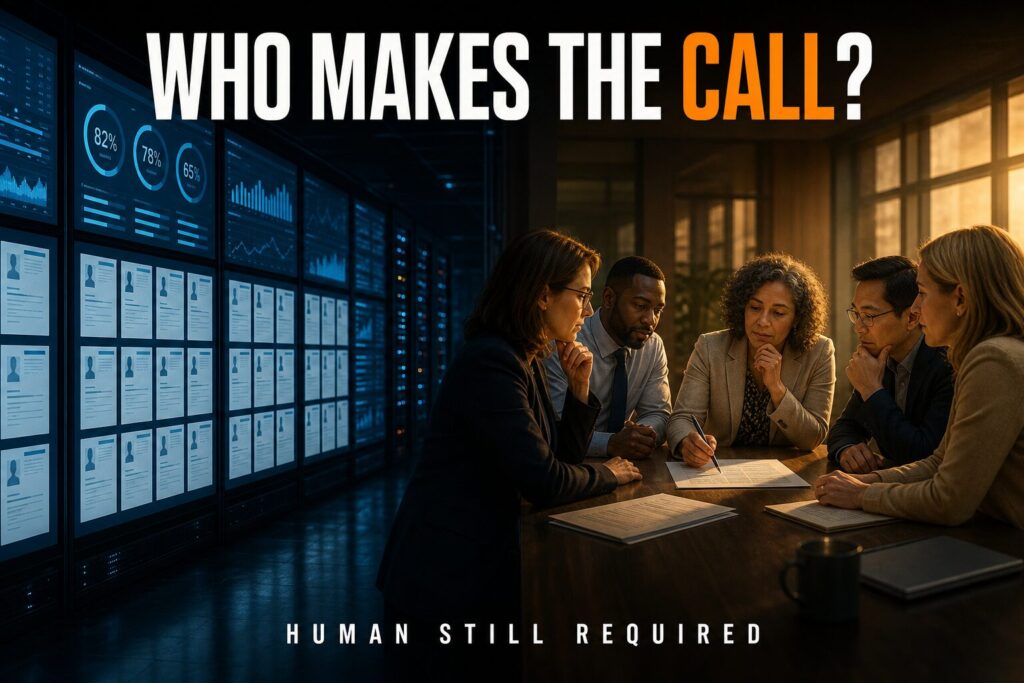
AI teacher evaluations raise a trust question before a technology one. AI can help prepare an evaluation, but the ratings and judgment must be the leader’s own, and staff should know how AI is used.
AI for IEPs can save special educators hours per student, but the decisions, the data choices and the trust with families must stay human. Leaders decide where the saved time goes.
AI features arriving switched on in school tools is a vendor choice, but keeping them is a leadership choice. Audit what’s on, decide on purpose, and redesign work AI finishes easily.
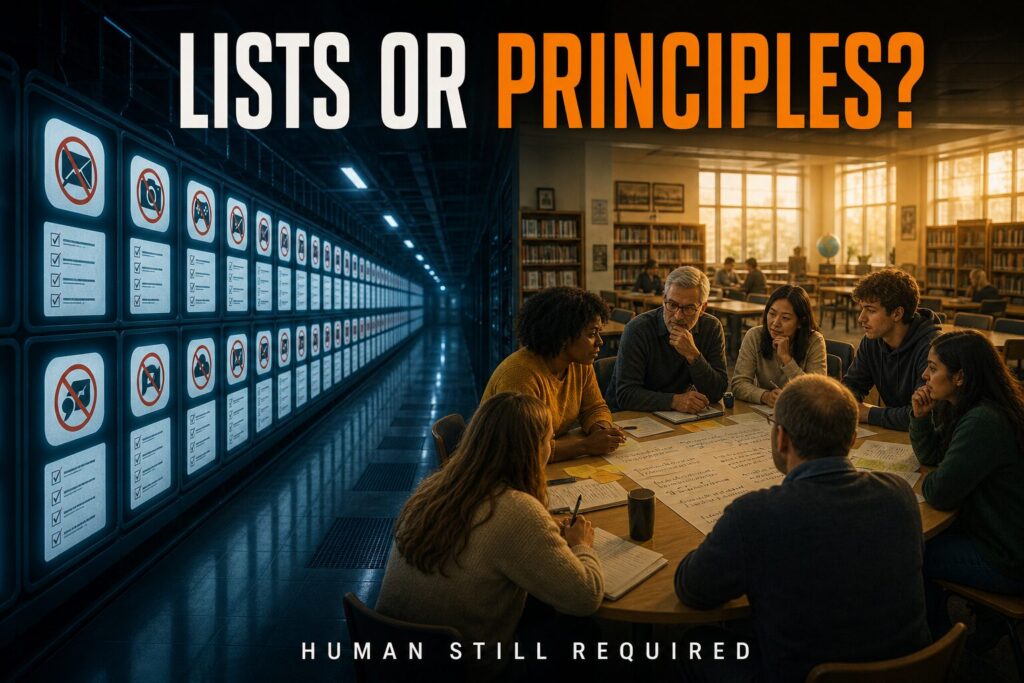
A banned-tools list tells people what to avoid. School AI guidance built on a few clear principles tells teachers and students how to decide, even about tools no one has reviewed yet.
The ed-tech backlash has reached the campaign trail. School leaders should answer it with tool-by-tool judgment about purpose, cost and evidence, not blanket bans or blind defense.
The most durable AI school policy names the decisions only humans make, like grades, discipline and placement, instead of chasing a list of tools that changes every semester.
Students can operate chatbots but often can’t judge them. AI literacy is critical thinking, and teachers need ongoing, school-based learning to teach it well.
How an AI tool enters your schools matters as much as the tool. A Texas investigation and a voluntary Nevada pilot show why transparent, local, teacher-informed decisions build trust.