Students mostly support in-class phone limits but oppose all-day bans. How leaders make this cellphone ban policy decision, by listening first, sets the pattern for AI policy next.
Student AI concerns, from a New York walkout to Connecticut teachers’ worries about reading, are guidance, not resistance. Leaders should name what school will protect and bring students into the conversation.
A banned-tools list tells people what to avoid. School AI guidance built on a few clear principles tells teachers and students how to decide, even about tools no one has reviewed yet.
Whether schools ban AI or build it into tests, the strongest evidence of learning is the same: a student who can explain, defend and revise their own thinking.
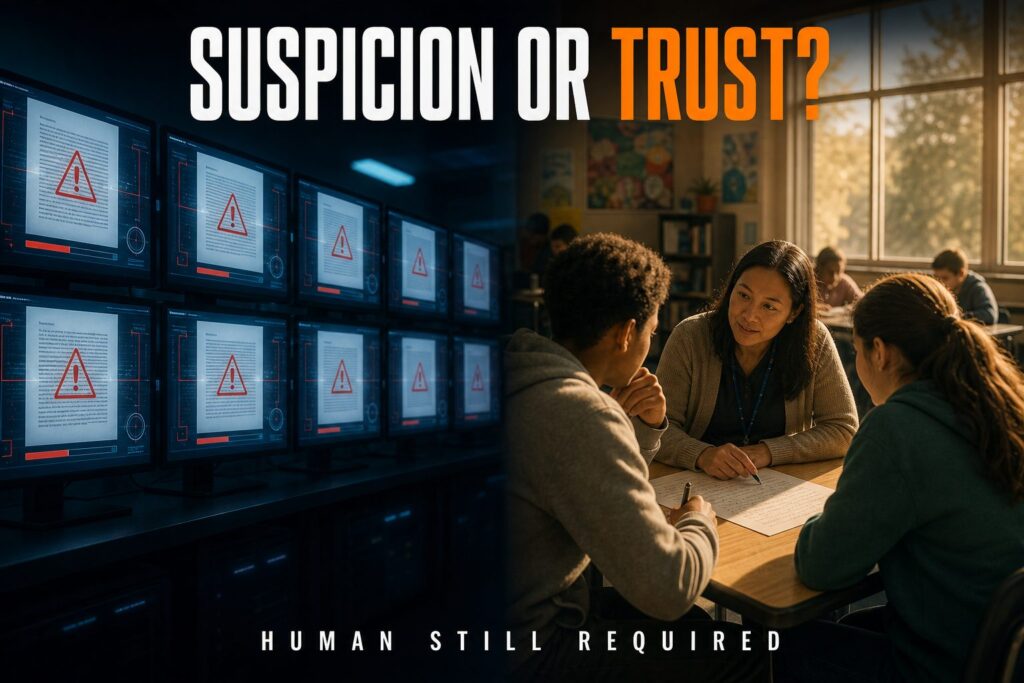
New research shows AI cheating suspicions are eroding trust between students and teachers. Leaders can respond by asking before assuming, making thinking visible, and writing AI policy with students and teachers.
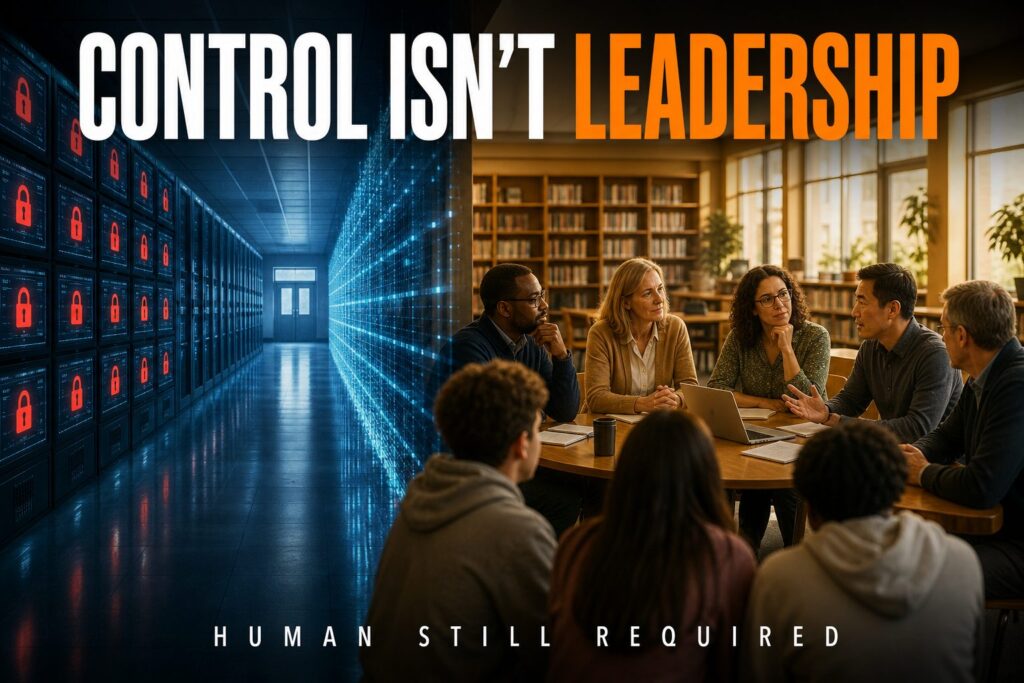
School AI bans respond to real concerns, but control isn’t leadership. A pause can buy time; only clear purpose, honest conversation and student voice build the judgment schools need.